
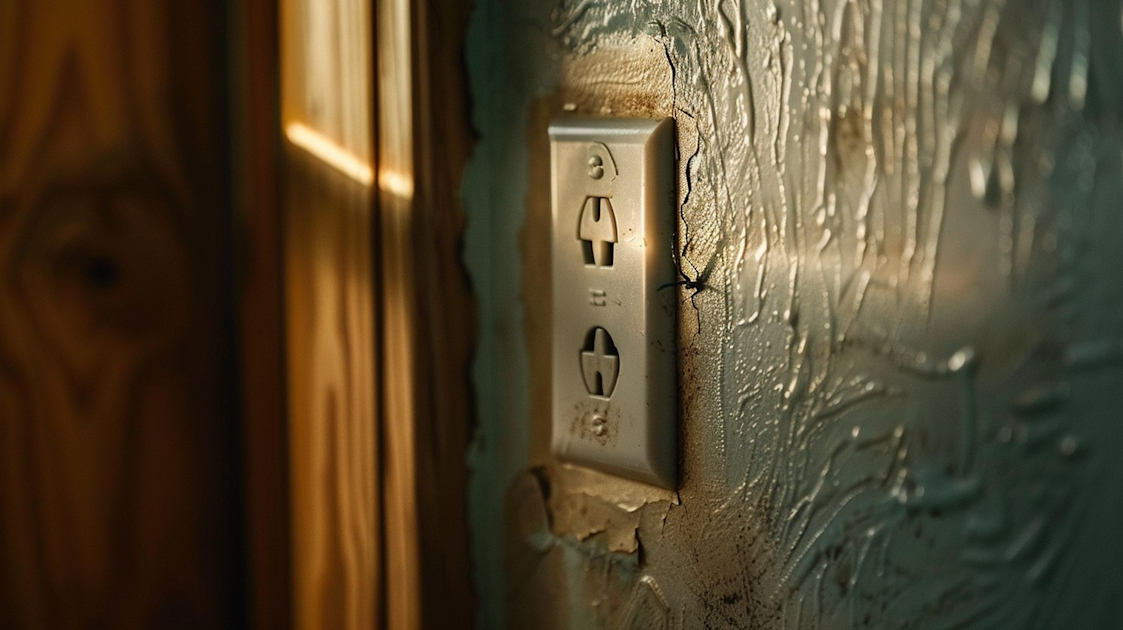


Have you ever experienced a burning smell while you're in your living room enjoying a family movie night or during a quiet moment at home? A burning smell coming from an electrical outlet can be alarming and, more importantly, dangerous. It’s crucial to identify the causes and know how to respond immediately to prevent any electrical fires or damage. In this article, we delve into the potential reasons behind this issue and explore effective solutions.
Common Causes of Burning Smell from Outlet
Overloaded Circuits
One of the primary reasons for detecting a burning smell is overloaded circuits. When too many devices are plugged into one outlet, it can cause the circuit to overheat. This excessive load can result in the melting of the wire insulation, leading to burning odors.
Faulty Wiring
Faulty wiring is another critical factor contributing to burning smells from outlets. Wiring issues can stem from poor installation, aging, or damage. Faulty wiring can cause electrical shorts or arcing, which can produce a burning smell.
Loose Connections
Loose connections in an outlet can disrupt the smooth flow of electricity, resulting in overheating. This overheating is often perceived as a burning smell and can quickly become a hazard if not addressed.
Old or Damaged Outlets
Outlets don't last forever. Over time, they're exposed to wear and tear that can damage internal components. Old or cracked outlets might not provide a snug fit, causing electrical resistances that emit heat and burning smells.
Faulty Appliances
Sometimes, the burning smell does not actually originate from the outlet itself but from a faulty appliance plugged into it. Faulty appliances can draw too much power or experience shorts within their internal circuitry.
Signs You Shouldn’t Ignore
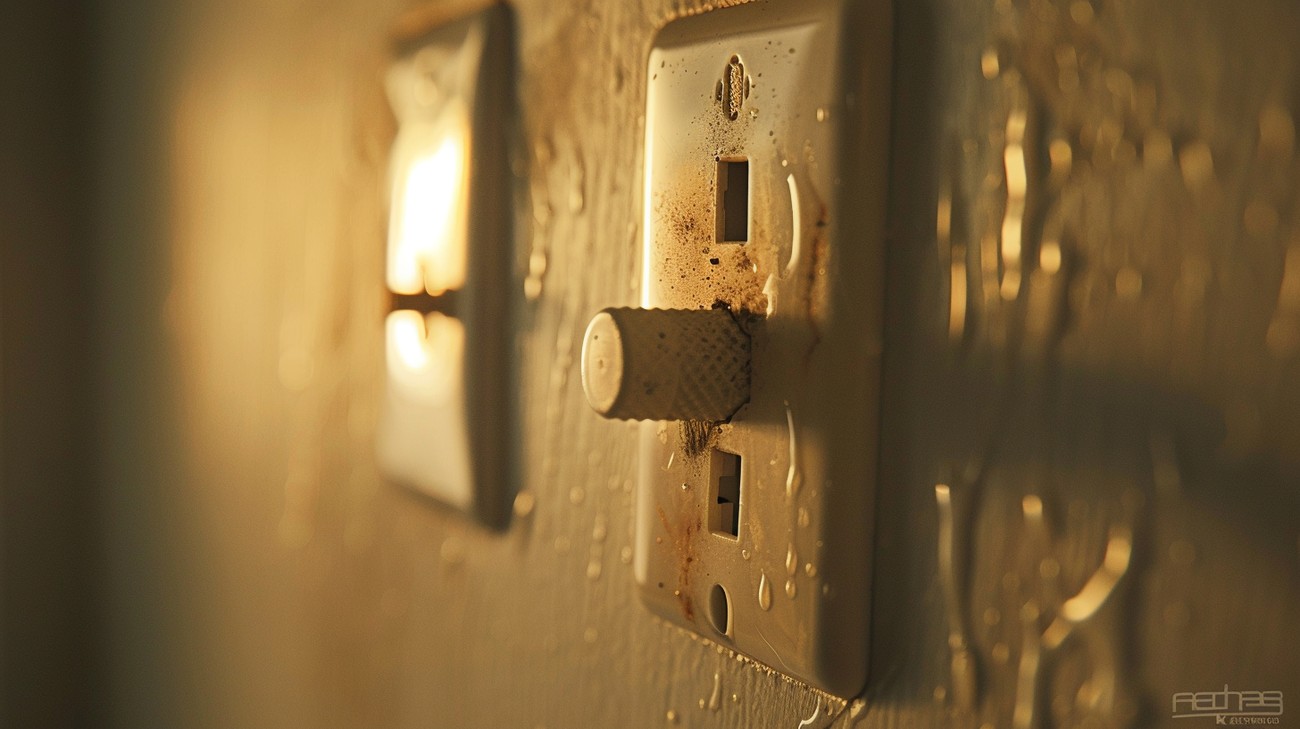
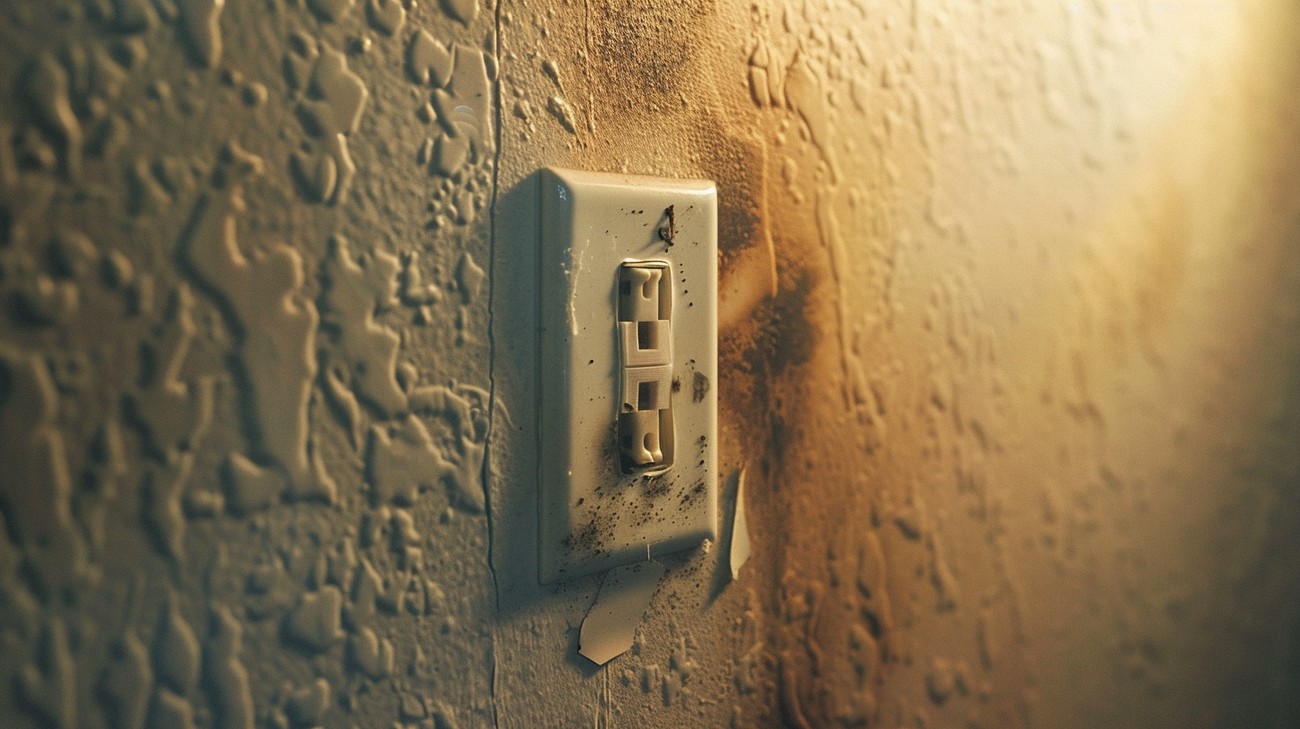
- Scorch Marks: Check for any discoloration or scorch marks on the outlet's faceplate.
- Warm Surface: If the outlet is warmer than usual, it might indicate overheating.
- Flickering Lights: Flickering lights when plugging in appliances may signal an overloaded circuit or wiring problem.
Immediate Actions to Take
Unplug Appliances
The first step is to immediately unplug any devices connected to the outlet. This prevents further heating and reduces the risk of fire.
Turn Off Power
Locate your home’s electrical panel and turn off the power supply to the affected area. This ensures no current flows through the problematic outlet while you assess the situation.
Contact an Electrician
Since a burning smell can signify serious electrical issues, contacting a licensed electrician is vital. They can thoroughly inspect your wiring and outlets and carry out any necessary repairs.
Preventive Measures for Electrical Safety
Maintaining the safety of your electrical system is vital. Here’s how you can help prevent the issue from arising again:
- Regularly inspect outlets and cords for any wear or damage.
- Avoid daisy-chaining power strips, which increases the risk of overloaded circuits.
- Rearrange your electrical setup to distribute appliance load evenly across outlets.
- Upgrade old wiring and outlets to handle the power needs safely.
- Use only UL-certified electrical devices that ensure safety and reliability.
FAQ: Understanding and Addressing a Burning Smell from an Outlet
What are the common causes of a burning smell coming from an outlet?
A burning smell from an outlet typically signals an underlying issue related to electrical components. Common causes include overloaded circuits, where too many appliances draw power from one outlet; damaged wiring, which may arise from age or physical damage; and faulty outlets, where wear and tear or manufacturing defects lead to overheating. Understanding these causes can help pinpoint the source of the problem.
Can a burning smell from a power outlet be dangerous?
Yes, a burning smell from a power outlet can be extremely dangerous because it is often a warning sign of potential electrical fires. Any unusual odors, especially those resembling burning plastic or a burning electrical smell, indicate that something could be overheating or malfunctioning within the outlet or the wiring. Immediate attention is crucial to prevent fire hazards and ensure electrical safety in your home or office.
What should I do if I detect a burning smell from a light switch or outlet?
If you detect a burning smell from a light switch or outlet, it's important to act promptly. First, unplug any device connected to the outlet. Then, cut off power to the affected circuit by switching off the circuit breaker. Do not use the outlet or switch until a qualified electrician has inspected and resolved the issue. This immediate action is necessary to prevent any potential fire risks or electrical hazards.
How can I identify if the burning smell is coming from an overloaded outlet?
An overloaded outlet may emit a burning smell due to excessive electrical demand. Signs of an overloaded outlet include multiple devices plugged in via power strips or extension cords, frequent tripping of circuit breakers, and evident heat or discoloration on the outlet faceplate. These symptoms suggest the outlet is drawing more power than it can safely handle, necessitating corrective action to distribute load evenly and prevent overheating.
Why does a burning smell only occur when I plug in a specific appliance?
When a burning smell occurs only with a specific appliance, it may indicate an issue with the appliance rather than the outlet itself. Causes could include internal wiring problems, a malfunctioning component within the appliance, or a compatibility issue where the appliance demands more power than the outlet can provide. Testing the appliance on a different outlet or consulting an appliance repair specialist can help determine the root of the problem.
Is it okay to use an air freshener to mask a burning smell from an outlet?
While an air freshener might temporarily mask a burning smell from an outlet, it does nothing to address the underlying issue, which could be an imminent fire hazard. Relying on air fresheners instead of investigating and fixing the source of the smell could lead to dangerous outcomes, such as electrical fires. Prioritize safety by seeking professional electrical inspection and repairs rather than masking the odor.
How does damaged wiring contribute to a burning smell from my outlet?
Damaged wiring is a common culprit behind a burning smell from an outlet. When wires become frayed, stripped, or broken, electrical currents can't flow smoothly, leading to resistance and overheating. The consequent heat can burn insulating materials or nearby components, producing a burnt odor. Regular checks and professional maintenance of your wiring can prevent this dangerous situation from escalating.
What role do outlet components play in causing a burning smell?
Outlet components such as the faceplate, wiring, and internal connectors can deteriorate over time, contributing to a burning smell. Loose connections may create heat due to increased electrical resistance. Meanwhile, aged or damaged components might not function as efficiently, leading the outlet to overheat. Frequent monitoring or replacement of worn-out outlet parts can help maintain safety and prevent odor issues.
How can I prevent a burning electrical smell from outlets in the future?
To prevent a burning electrical smell from outlets, ensure your home’s electrical system accommodates all your devices efficiently. Avoid overloading outlets with multiple high-wattage devices, and distribute electrical load carefully. Regular inspections by a licensed electrician help identify issues like aging wiring or faulty outlets before they develop into more serious concerns. Practicing good electrical safety habits keeps your space both functional and secure.
Troubleshooting Guide
Problem 1: Overloaded Circuit
Symptoms: The outlet feels warm to the touch and emits a burning smell, especially when multiple devices are plugged in.
Likely Causes: Too many devices are drawing more current than the circuit can handle.
Fixes:
- Unplug all devices from the outlet.
- Allow the outlet to cool down completely.
- Plug devices back in one at a time, and avoid using multiple high-wattage appliances at once.
When to Call a Professional: If the outlet remains warm without any devices plugged in, it's time for a professional assessment.
Prevention Tips: Use power strips with circuit breakers and avoid daisy-chaining electrical devices. Spread the load across multiple outlets.
Problem 2: Faulty Outlet
Symptoms: The outlet emits a constant burning smell even without anything plugged in.
Likely Causes: Wiring within the outlet may be damaged or improperly installed.
Fixes:
- Turn off power to the outlet at the circuit breaker.
- Remove the outlet cover and inspect for any visible damage or loose connections.
- Tighten any loose screws and replace the outlet if necessary.
When to Call a Professional: If you're uncomfortable handling electrical components, or if issues persist after retightening wires, get a professional involved.
Prevention Tips: Test outlets regularly and replace any that are loose or have blackening around the socket holes.
Problem 3: Outdated Wiring
Symptoms: Burning smell from multiple outlets throughout the house, possibly accompanied by flickering lights.
Likely Causes: Older homes might have outdated electrical systems that can't handle modern power loads.
Fixes:
- Identify frequently used outlets and try reducing the load.
- Consider turning off circuit breakers for underused areas.
When to Call a Professional: Immediately, as outdated wiring can pose significant fire risks.
Prevention Tips: Plan for a thorough electrical inspection every few years if your home is over 30 years old.
Problem 4: Loose Wiring
Symptoms: Intermittent burning smell and the outlet may work sporadically.
Likely Causes: Loose wires cause resistance, leading to overheating.
Fixes:
- Ensure the power is completely off at the breaker.
- Open the outlet and check for loose or disconnected wires.
- Securely retighten connections and ensure wires are properly insulated.
When to Call a Professional: If retightening wires doesn’t resolve the issue or if you find damaged wires, seek professional help.
Prevention Tips: Check and tighten all outlets in your home every year as part of routine maintenance.
Problem 5: Damaged or Frayed Cords
Symptoms: A burning smell originates when a particular cord is in use.
Likely Causes: Cords can become frayed or damaged over time, leading to shorts.
Fixes:
- Unplug the device immediately and examine the cord for visible damage.
- Replace the damaged cord with a new one of the proper rating.
When to Call a Professional: If unsure how to replace the cord or if the device seems damaged internally.
Prevention Tips: Regularly check cords for wear and replace them at the first sign of damage. Use cord organizers to avoid tangling and excessive twisting.
Problem 6: Arc Fault
Symptoms: Sudden, brief burning smell with a popping sound.
Likely Causes: Abrupt arcing between wires or connections within the outlet.
Fixes:
- Immediately turn off the breaker associated with the problem outlet.
- Do not attempt to use the outlet until it's been checked.
When to Call a Professional: Immediately, as arcing poses severe fire risks and needs expert attention.
Prevention Tips: Install Arc Fault Circuit Interrupters (AFCIs) which detect and prevent arcing conditions.
Problem 7: Inadvisable Material Build-up
Symptoms: Occasional burning smell with no apparent electrical issue.
Likely Causes: Dust or debris inside the outlet that may burn when the outlet heats up.
Fixes: When to Call a Professional: If cleaning doesn’t solve the issue or find signs of melting or heat damage.
Common Mistakes to Avoid
Ignoring the Smell
Ignoring a burning smell might happen due to procrastination or underestimating its seriousness. People often dismiss minor issues until they escalate into major problems. However, this delay could be dangerous.
How to Avoid: Always take any unusual smell seriously. Investigate the source immediately, and if it seems related to an outlet, cut power to it right away.
What to Do if You Made This Mistake: If you've ignored the smell, cut power from the main circuit breaker immediately and inspect the affected outlet for visible damage. Consult a professional electrician for a thorough check.
Expert Recommendation: Experts advise you never to ignore such warning signs. Any strange smell from an outlet requires immediate attention to prevent fire risks.
Overloading the Outlet
Overloading an outlet can happen easily if you're unaware of its electrical capacity. Plugging in too many devices is a common oversight that can lead to overheating and burning.
How to Avoid: Familiarize yourself with the electrical capacity of your outlets. Use power strips with built-in surge protectors or upgrade circuits if needed.
What to Do if You Made This Mistake: Disconnect devices from the outlet and allow it to cool. If the burning smell persists, contact an electrician to assess potential damage.
Expert Recommendation: Regularly check your outlets for signs of overload and avoid using extension cords as a permanent solution.
Attempting DIY Repairs
Taking on do-it-yourself electrical repairs can be tempting due to perceived cost savings. However, without proper expertise, this can exacerbate the issue.
How to Avoid: Leave electrical repairs to certified professionals. Recognize your limitations and prioritize safety over saving money.
What to Do if You Made This Mistake: Stop any current DIY repairs and refrain from using the outlet in question. Call an electrician to correct any errors and assess potential hazards.
Expert Recommendation: Never attempt electrical repairs on your own unless you have professional training. Electricity is dangerous, and even simple errors can have severe consequences.
Using Damaged Extension Cords
Old or damaged extension cords may appear functional but can be a hidden risk. Continued use despite obvious wear can lead to overheating.
How to Avoid: Regularly inspect and replace extension cords at the first sign of damage, such as fraying or bent prongs.
What to Do if You Made This Mistake: Disconnect and discontinue the use of any damaged cords. Switch to newer, undamaged cords and consider reducing your reliance on them.
Expert Recommendation: Invest in high-quality extension cords and replace them periodically. Additionally, reduce their use by installing sufficient outlets.
Not Turning Off the Power
Failing to turn off the power immediately after noticing a smell might happen due to panic or a lack of awareness of the proper procedure.
How to Avoid: Know the location of your circuit breaker and educate yourself on how to operate it.
What to Do if You Made This Mistake: Even if some time has passed, turn off the power to the affected outlet immediately. Have a professional evaluate your home’s wiring.
Expert Recommendation: Keep a flashlight near your breaker box so that you can access it easily in emergencies and practice turning it off and on.
Using Water Near Electrical Fires
A knee-jerk reaction might be to use water when dealing with electrical fires or a burning smell, but this is a dangerous mistake.
How to Avoid: Understand that water conducts electricity and can lead to electrocution.
What to Do if You Made This Mistake: If water was used, ensure power is cut immediately and evacuate the area. Consult emergency services for further guidance.
Expert Recommendation: Keep a Class C fire extinguisher in your home, which is specifically designed for electrical fires. This can prevent a small problem from becoming a big one.
Ignoring Professional Advice
Lastly, ignoring advice from electricians or failing to have regular checks due to complacency or cost concerns can allow small issues to become significant hazards.
How to Avoid: Schedule regular electrical inspections and heed professional recommendations.
What to Do if You Made This Mistake: Set up an inspection with a licensed electrician and address any issues they highlight.
Final Thoughts
If you ever notice a burning smell from your outlet, it’s crucial to take immediate action to prevent potential hazards like electrical fires. This smell often signals overheating wires or faulty connections, and it's always better to err on the side of caution. We recommend unplugging any devices and avoiding use of the outlet until a qualified electrician can assess the situation.
For homeowners in Sacramento, CA, we at Sagan Electric are here to help you with any electrical concerns you might have. Our team of local experts is ready to provide a thorough inspection and fix the issue safely and efficiently. Don't hesitate to reach out to us to schedule a consultation or request a free estimate. Your safety is our top priority!
Tags: electric, fire hazard, outlet issue,