
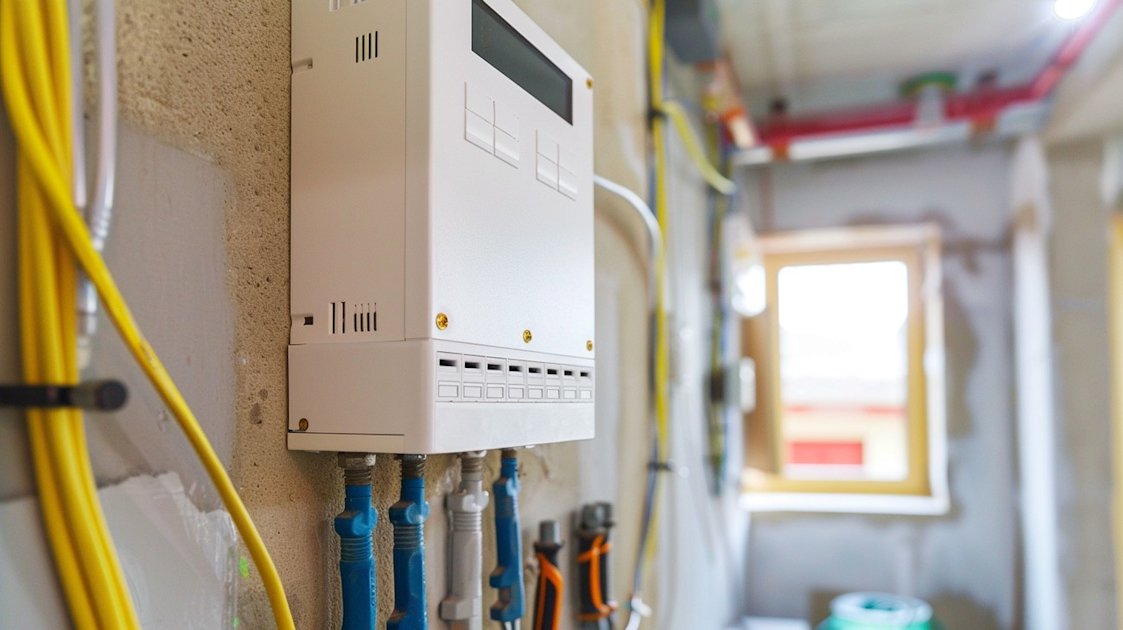


In today's technological age, protecting your household electronics and appliances from power surges is crucial. This is where whole home surge protectors come into play. They serve as a defensive shield for your entire home, ensuring every appliance plugged into your electrical system remains safe from unexpected spikes in electrical voltage.
What is a Whole Home Surge Protector?
A whole home surge protector, often installed at your electrical panel, is designed to shield an entire house from external or internal power surges. Unlike power strip surge protectors that guard individual outlets, these systems protect all your electrical appliances simultaneously. This means your refrigerator, television, and even smart home devices get unified protection against damaging power spikes.
How Does a Surge Protector Work?
Surge protectors function by diverting excess voltage to the ground, preventing it from passing through your home's electrical system. In essence, they act like a bouncer at a nightclub, allowing only the right amount of power to flow through while blocking unwanted surges. These devices can manage surges from lightning strikes, utility grid switching, or even appliances cycling on and off in your home.
Why Do You Need a Whole Home Surge Protector?
Power surges may seem like rare occurrences, but they happen more frequently than you might think. Here’s why investing in a whole home surge protector is essential:
- Comprehensive Protection: It covers all your appliances and electronics, eliminating the need for individual surge strips in every room.
- Cost-Effective: By preventing damage to expensive electronics, you save on potential repair or replacement costs.
- Peace of Mind: A surge protector provides constant vigilance, giving you confidence that your home is safe from the unpredictable nature of power surges.
Types of Power Surges
Not all surges are created equal. Here’s a look at the common types:
- External Surges: These are usually caused by severe weather, especially lightning storms, or issues with the power grid.
- Internal Surges: These occur within the home, often triggered when large appliances or HVAC systems cycle on and off.
Features of a Good Whole Home Surge Protector
Choosing the right surge protector means considering a variety of features. Look for these key characteristics to ensure the best protection for your home:
- Surge Capacity: Measured in kiloamperes (kA), higher ratings typically mean stronger protection. Aim for a rating of at least 30 kA.
- Response Time: The quicker the response time, the better. A good protector will respond almost instantly to surges.
- Voltage Rating: Check the voltage rating to ensure it matches your home’s electrical system.
- Warranty: A robust warranty provides extra security, indicating trust in the product's effectiveness.
Installation Process
Installing a whole home surge protector is generally a straightforward process for a licensed electrician. Here’s a brief overview:
- Choose the Right Location: Typically, the protector is installed at the main electrical panel.
- Connect Ground Wires: Proper grounding is crucial for effectively managing surges.
- Install with Circuit Breakers: The protector is wired into the circuit breaker panel, ensuring it can handle surges through the entire electrical system.
Maintenance Tips
Although whole home surge protectors are designed for longevity, regular maintenance ensures optimal performance. Here are some tips:
- Annual Inspections: Have a professional check the system at least once a year.
- Monitor Indicators: Some systems have indicator lights to show active protection. Regularly check these lights for any signs of malfunction.
- Upgrade When Necessary: Technology advances quickly, and newer models may offer improved protection. Consider upgrading if your current model is outdated.
Common Myths About Surge Protectors
When discussing surge protectors, several myths can often mislead homeowners:
- Myth: They Are Only Necessary in Storm-Prone Areas.
- Truth: Surges can happen anywhere, anytime, and for various reasons.
- Myth: Power Strips are Just as Effective.
- Truth: While handy for small electronics, a whole home surge protector shields many appliances at once, offering broader safety.
Top Brands in the Market
Choosing a reputable brand ensures quality and reliability. Some well-regarded brands include:
- Eaton: Known for innovative solutions and robust protection.
- Leviton: Offers a range of surge protection devices for different needs.
- Siemens: Provides durable and efficient protection systems.
Environmental Impact
Protecting your home from surges does more than safeguard appliances; it also contributes positively to the environment. By ensuring electronics last longer, you reduce e-waste, promoting a more sustainable lifestyle.
Whole Home Surge Protector FAQ
How does a whole home surge protector work?
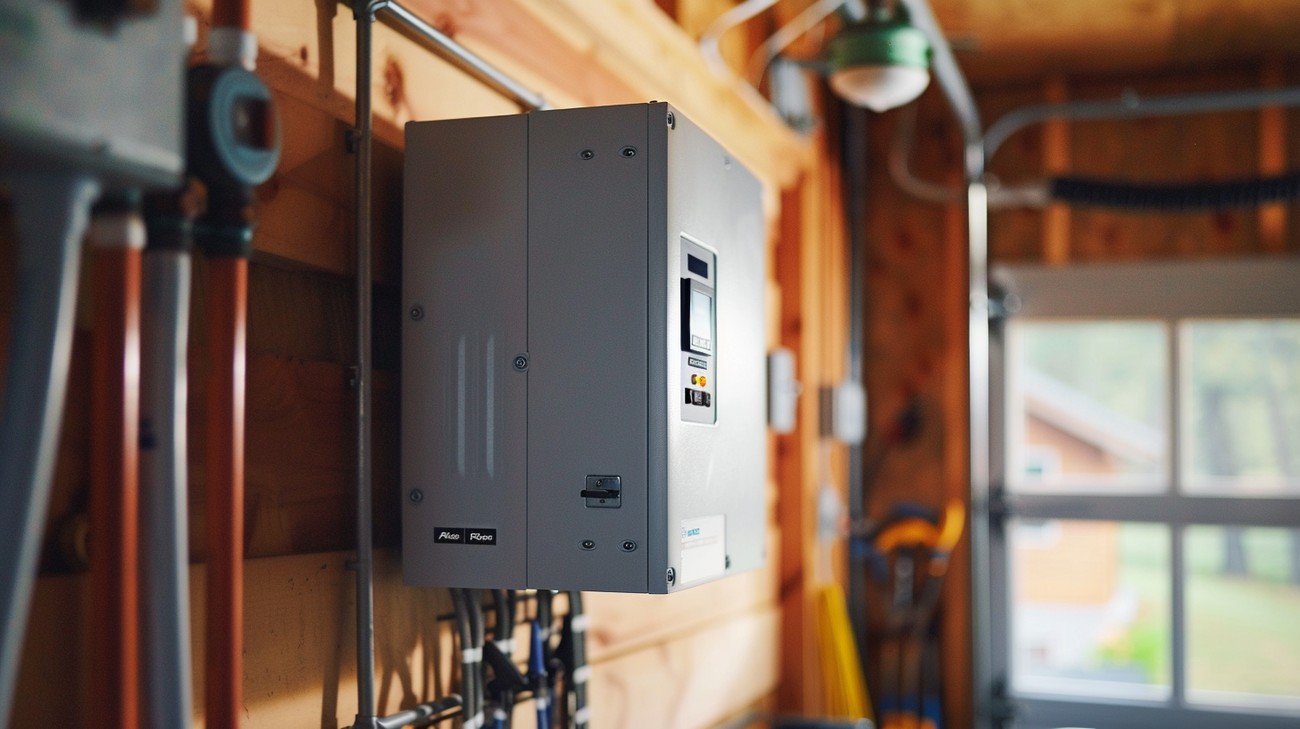
A whole home surge protector acts like a guardian for your electrical system. It monitors excess voltage that enters your home through power lines. When a power surge occurs, often from lightning strikes or power outages, the surge protector diverts the excess electricity away from the internal circuitry of your home, channeling it safely into the ground. This proactive management prevents the high voltage from reaching your appliances and sensitive electronics, protecting them from potential damage.
Why do I need a whole house surge protector?
You need a whole house surge protector because it offers robust protection against power surges that can devastate your home’s electronic devices and appliances. With the increasing reliance on technology and more electronic devices in modern homes, the risk of damage from electrical spikes has also increased. A whole home surge protector acts as a first line of defense against these surges, helping to prolong the lifespan of your electronics and prevent unexpected repair or replacement costs.
Where should a whole home surge protector be installed?
A whole home surge protector should be installed at your main electrical panel. This strategic location ensures that it can effectively monitor and manage any incoming voltage before it gets distributed to your home’s various circuits. For installation, it’s highly recommended to hire a licensed electrician. They will ensure that the protector is properly installed and grounded, providing optimal protection for your entire electrical system.
Can I install a whole home surge protector myself?
While some DIY enthusiasts might consider installing a whole home surge protector themselves, it's generally not recommended. Electrical work can be dangerous and requires specific knowledge of your home’s electrical system. Incorrect installation could lead to ineffective protection and potential safety hazards. Thus, it is best to hire a licensed electrician to ensure that the device is installed correctly and safely.
How long does a whole house surge protector last?
The lifespan of a whole house surge protector can vary depending on several factors, such as the frequency and intensity of surges it encounters. On average, these devices are designed to last between three to five years. However, it’s a good idea to have them inspected annually and replace them as needed, especially if they have intercepted several strong surges. Some models come with indicator lights or notification systems to alert you when it's time for a replacement.
Are there different types of whole home surge protectors?
Yes, there are different types of whole home surge protectors. The most common types include panel-mounted protectors, which are directly installed on your main electrical panel, and meter-mounted units, which are affixed to the electrical meter itself. Each type provides various levels of protection, and the best choice depends on your specific needs and existing electrical systems. Consulting with a professional can help determine the right fit for your home.
How do I choose the best whole home surge protector for my needs?
Choosing the best whole home surge protector involves considering factors like your home’s electrical system and the typical electrical demands of your household. You'll want to look at the device’s rating, measured in kA (kiloamperes), which indicates its capacity to handle surges. Higher ratings usually offer better protection. Additionally, look for products certified by independent testing agencies and with good warranty coverage to ensure reliability. Consult with an electrician for recommendations tailored to your home.
Does a whole house surge protector protect my electronics from all surges?
While a whole house surge protector provides a significant level of protection, it may not safeguard against 100% of electrical surges. It does an excellent job handling external surges that come from the grid, such as those caused by lightning or power plant issues. However, it might not fully protect against very small, internal surges that originate within your home. For comprehensive protection, consider using power strips with built-in surge protection for individual sensitive devices or appliances.
Is a whole home surge protector sufficient for protecting high-end electronics?
For high-end electronics, a whole home surge protector offers essential baseline protection, but it might not be sufficient on its own. While it diverts major surges from the grid, additional protection for expensive and sensitive devices is recommended. You should complement your whole home surge protector with localized point-of-use devices, like high-quality surge protector strips, especially designed for computers, home theater systems, or other sensitive electronics.
How much does it cost to install a whole home surge protector?
The cost of installing a whole home surge protector can vary based on factors like the brand, model, and local labor rates. Typically, the cost ranges from $200 to $700. This price includes both the device itself and the professional installation service. While it might seem like a considerable expense upfront, the long-term savings from avoiding costly repairs or replacement of your electronic devices can make it a worthwhile investment.
Does installing a whole home surge protector affect my energy usage?
No, installing a whole home surge protector does not affect your energy usage. These devices typically consume a negligible amount of electricity to monitor for surges, which does not significantly impact your overall energy consumption. Their main function is to protect your electrical system and devices from overvoltage, and they operate in a dormant state, only activating when a spike in electricity is detected.
Exploring the Pros and Cons of Whole Home Surge Protectors
Pros
Protecting Your Electronics and Appliances
Imagine living without the fear of voltage spikes. A whole home surge protector can shield your entire house from power surges caused by things like lightning strikes or power outages. It's like giving your electronics and appliances their own personal security detail. By preventing these sudden electrical spikes, surge protectors can extend the lifespan of your devices. Keep that pricey entertainment system and every day appliances safe.
Peace of Mind
There’s undeniably a sense of satisfaction when you know your household is protected. Whole home surge protectors offer a comprehensive safeguard, so you don’t have to worry about unplugging everything before a storm hits or troubleshoot fried electronics in the aftermath. Enjoy that stormy night with a cup of tea instead of panic.
Cost-Efficient Over Time
While the initial installation might cause a gulp, think about the long-term savings. Replacing electronics and major appliances damaged by power surges can get pretty pricy. The one-time cost of a whole home surge protector often saves you significant money over time by preventing those dreaded replacements.
Enhance Home Safety
We all know electrical fires can be catastrophic, right? Whole home surge protectors help reduce the risk of electrical fires caused by sudden surges, making your home a safer place for everyone in it. No one wants to dreadfully build an emergency plan every time the lights flicker.
Smoother Energy Flow
By managing the voltage fluctuations, these surge protectors contribute to a more stable and consistent energy supply throughout your home. That means fewer disruptions and interruptions in your daily power consumption – a little win that can enhance the performance of high-tech devices.
Cons
Upfront Installation Costs
Okay, here’s the kicker: installing a whole home surge protector isn’t exactly cheap. It usually requires professional installation, which adds to the initial expense. Depending on the complexity and size of your electrical system, costs can vary significantly, leading some homeowners to shy away from this option.
Not Foolproof
While whole home surge protectors are great, they’re not magic. They provide good protection against most surges, but they may not stop a really potent lightning strike from wreaking havoc. So, while they're a robust line of defense, they're not a 100% guarantee, and some might feel shortchanged considering the investment.
Maintenance Considerations
Surge protectors can wear out over time. We’re talking about devices that function continuously, after all. They may require maintenance or replacement if they experience one too many power surges. This potential need for periodic checks might end up on the 'hassle list' for some homeowners.
Possible Compatibility Issues
If your home has an older electrical system, or if you’ve got specific, unusual electronic setups, there might be some compatibility issues. This could require additional adjustments or upgrades to your electrical system – translating to more time and money invested in securing your home.
Doesn’t Protect Everything
While whole home surge protectors play a significant role, they’re not an all-inclusive solution. They mainly protect against external surges but might not offer full protection from internal surges generated by high-energy devices within your home. Pairing them with point-of-use surge protectors can complicate the setup and add to overall costs.
Final Thoughts
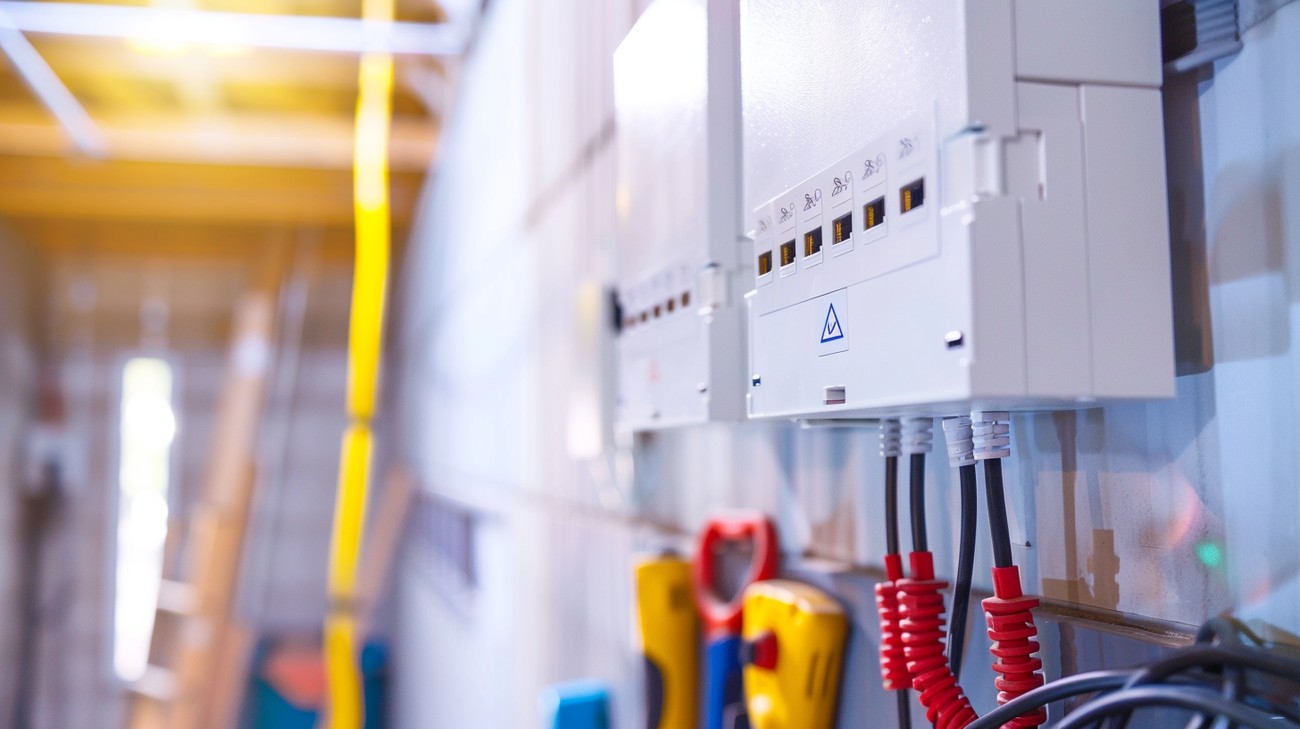
Installing a whole home surge protector is one of the simplest yet most effective ways to safeguard your electronics and appliances from unexpected power surges. By protecting your home, you ensure that your investment in devices and appliances is well secured, giving you peace of mind especially during stormy weather or in areas prone to electrical fluctuations, like here in Sacramento, CA.
We encourage you to reach out to us at Sagan Electric to discuss how a whole home surge protector can benefit you. Our team is ready to help you understand your options and provide a professional installation tailored to your needs. Whether you're curious about costs or want to set up a consultation, we're just a phone call away!
Tags: power surge, electrical safety, home protection,