

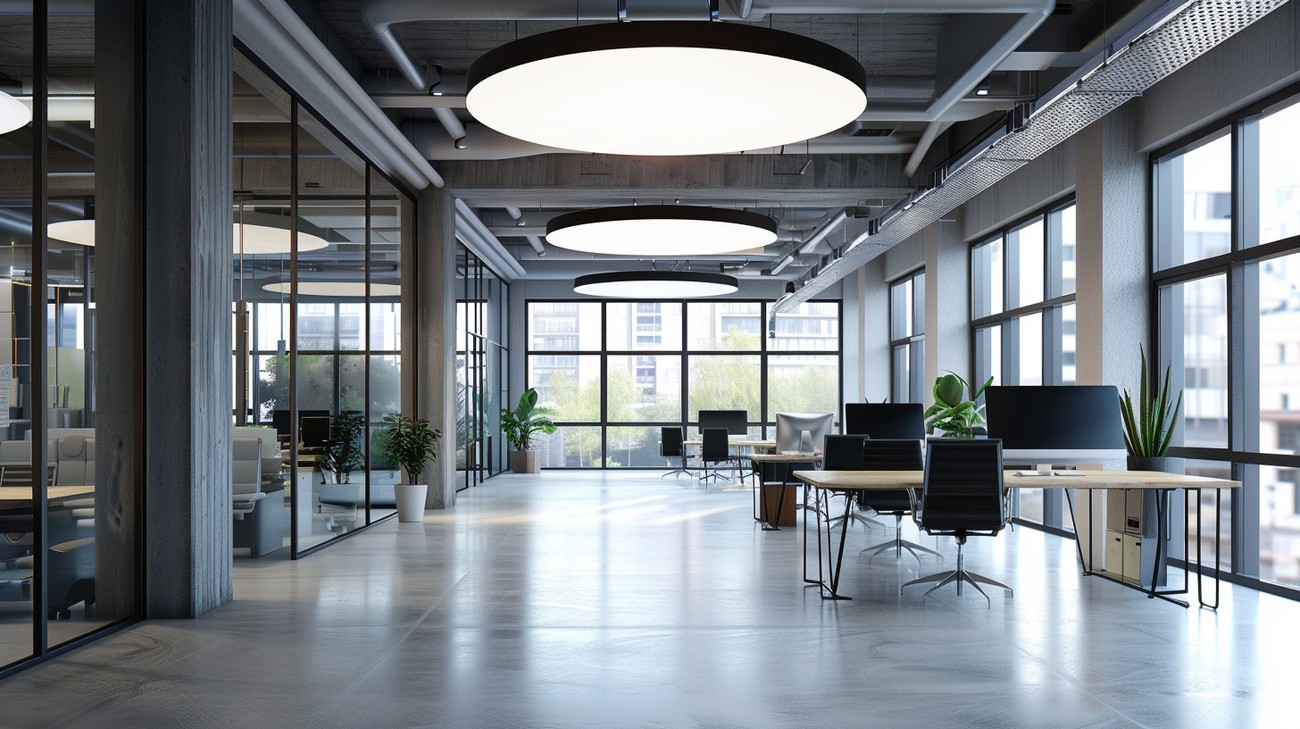
In today's fast-paced business environment, companies are constantly seeking ways to improve efficiency, reduce costs, and create healthier workspaces. One effective strategy gaining traction is the office lighting retrofit. This process can be a remarkable transformation for your workplace. Not only does it save energy and money, but it also significantly improves the quality of light, enhancing employee productivity and satisfaction. In this article, we'll take an in-depth look at office lighting retrofit, covering everything from the benefits and planning to implementation and maintenance.
What is Office Lighting Retrofit?
An office lighting retrofit involves upgrading your current lighting system to a more efficient, modern setup. This typically means replacing old, outdated fixtures and bulbs with newer technology such as LED lights. Retrofitting can also involve implementing lighting controls and sensors, all aimed at optimizing light usage and reducing energy consumption.
Benefits of Retrofitting Office Lighting
The advantages of a lighting retrofit are numerous and impactful. Here's why your business should consider making the change:
- Energy Efficiency: LED lighting uses up to 75% less energy than traditional incandescent or fluorescent bulbs.
- Cost Savings: Reduced energy consumption leads to lower utility bills, often resulting in a significant return on investment within a few months.
- Improved Light Quality: LED lights offer better color rendering, brightness, and can be adjusted to meet the needs of different tasks.
- Reduced Maintenance: Longer-lasting lights mean less frequent replacements, reducing maintenance costs and operational disruptions.
- Environmental Impact: Decreased energy usage contributes to lower carbon emissions, helping your company meet sustainability goals.
Planning Your Retrofit Project
Before embarking on a lighting retrofit project, thorough planning is crucial. Here are key steps to consider:
Assess Current Lighting
Begin by evaluating your existing lighting setup. Identify the number of fixtures, types of bulbs, their wattage, and hours of operation. Consider conducting an energy audit to get a detailed analysis of the current system's performance and potential savings.
Define Goals and Budget
Determine what you aim to achieve with the retrofit. Whether it's energy savings, enhanced lighting quality, or compliance with new regulations, having clear goals will guide the process. Establish a budget that aligns with the expected return on investment.
Understand Lighting Needs
Different office areas have varying lighting requirements. Conference rooms, workstations, and hallways may need different levels of illumination. Consult with a lighting specialist to tailor solutions for each space.
Choosing the Right Lighting Solutions
When selecting new lighting systems, it's crucial to consider both the type of fixtures and additional controls that can optimize performance.
LED Fixtures
LED technology has revolutionized lighting with its efficiency and flexibility:
- Energy Star Certified: Look for Energy Star-rated products to ensure maximum savings and quality.
- Dimmable Options: LEDs with dimming capability allow for customizable lighting, improving comfort and reducing unnecessary energy use.
Lighting Controls
Integrating smart controls can further optimize the efficiency of your lighting system:
- Occupancy Sensors: Automatically turn lights on when a room is occupied and off when vacant.
- Daylight Harvesting: Adjusts indoor lighting based on the level of natural light, maintaining consistent illumination and saving energy.
Implementation of Lighting Retrofit
Once you have selected the right solution, it’s time to proceed with the implementation. Here’s how to execute it effectively:
Coordinate with Professionals
Engage experienced lighting professionals or electricians to ensure proper installation. This helps avoid common pitfalls such as incompatible fixtures or wiring issues.
Minimize Disruptions
Plan the retrofit during off-peak hours or weekends to minimize office disruptions. Clear communication with employees about the schedule and benefits of the retrofit can also smooth the transition.
Test and Optimize
After installation, test the system to ensure everything functions optimally. Adjust the settings of sensors and controls to suit the real-world usage in your office.
Post-Retrofit Maintenance and Monitoring
Maintaining the new system is vital to ensure continued efficiency and performance.
Regular Inspections
Schedule regular inspections to identify and address any issues in the system promptly. Check the bulbs, fixtures, and controls for any signs of wear or failure.
Employee Feedback
Encourage employees to provide feedback on the new lighting system. Their input can offer valuable insights into the practical aspects of illumination, helping to refine and improve settings.
Monitor Energy Savings
Track energy consumption data to verify savings. Compare pre-and post-retrofit energy bills to assess the effectiveness of your lighting upgrade. This data can also be useful for reporting on sustainability achievements.
Office Lighting Retrofit FAQ
Why should businesses consider an office lighting retrofit?
An office lighting retrofit can significantly improve the energy efficiency of a workplace. By upgrading old, inefficient lighting systems to newer, energy-saving technologies, businesses can reduce their electricity bills and carbon footprint. This transition not only helps in saving money but also promotes a more environmentally-friendly approach to operations. Additionally, modern lighting solutions often offer improved lighting quality, which can enhance workplace aesthetics and comfort, leading to increased employee productivity and satisfaction.
How does an office lighting retrofit impact employee productivity?
Improper lighting can cause eye strain, headaches, and decreased focus, all of which can affect employee productivity negatively. An office lighting retrofit can mitigate these issues by providing well-distributed, natural lighting that aligns with human circadian rhythms. Better lighting conditions help employees to feel more energetic and alert, thus boosting concentration and efficiency. Moreover, customizable lighting systems allow for adjusting the light levels based on specific tasks, creating a more adaptable and pleasant work environment.
What types of lighting technologies are commonly used in office lighting retrofits?
LED lighting is the most commonly adopted technology in office lighting retrofits due to its energy efficiency, long lifespan, and superior light quality. LEDs consume significantly less energy than traditional incandescent or fluorescent bulbs and can last for many years without needing replacement. Other technologies that might be used include occupancy sensors, which turn lights on or off based on room occupancy, and daylight harvesting systems that adjust artificial lighting levels in response to the amount of natural light entering the space.
What are the cost implications of an office lighting retrofit?
While an office lighting retrofit involves upfront costs, these are often offset by the long-term savings on energy bills and maintenance. Energy-efficient lighting systems reduce power consumption, which can lead to substantial cost reductions over time. Many businesses see a return on investment within a few years due to these lower operational costs. Additionally, various government programs and rebates may be available to support businesses undergoing lighting retrofits, further easing the financial impact.
How does an office lighting retrofit contribute to sustainability goals?
An office lighting retrofit aligns with sustainability goals by decreasing energy consumption and reducing carbon emissions. Energy-efficient lighting technologies like LEDs use significantly less electricity compared to conventional lighting options, translating to lower greenhouse gas emissions. By committing to a greener lighting strategy, businesses not only enhance their sustainability profile but also signal their dedication to responsible environmental stewardship to clients, partners, and employees.
Are there specific considerations for retrofitting historic or older office buildings?
Absolutely, retrofitting historic or older office buildings requires careful planning and execution to preserve architectural integrity while upgrading to modern lighting systems. Custom solutions may be needed to fit within existing fixtures or to complement the aesthetic of the space. Additionally, attention must be paid to any local regulations or guidelines regarding renovations in historic buildings. Consulting with experts in retrofitting older structures can ensure that the lighting upgrade meets both design and functional goals without compromising the building's character.
How long does it typically take to complete an office lighting retrofit?
The duration of an office lighting retrofit project can vary based on the size and complexity of the office space, the specific technology being installed, and any logistical challenges. Smaller projects may be completed in a matter of weeks, while larger ones might take several months. An initial assessment by a professional retrofitting service can provide a more accurate timeline and help minimize disruptions to daily operations by scheduling work during non-peak hours or in phases.
What are the maintenance requirements after an office lighting retrofit?
Once an office lighting retrofit is completed, maintenance requirements typically decrease as newer lighting technologies like LEDs have longer lifespans and require fewer replacements. Regular cleaning of lighting fixtures and checking system components can help ensure optimal performance. Additionally, any smart lighting controls or sensors may need occasional software updates to maintain efficiency. Establishing a routine maintenance schedule with the retrofitting service can keep the system running smoothly for years to come.
How can a company decide if an office lighting retrofit is a right choice?
Deciding on an office lighting retrofit involves assessing current lighting conditions, energy consumption, and overall workplace needs. Conducting an energy audit can provide insights into the potential cost savings and benefits of a retrofit. Companies should also consider factors like employee feedback on current lighting, any upcoming renovations, and long-term sustainability goals. Consulting with an experienced lighting specialist can assist in making an informed decision tailored to the business's specific needs and objectives.

Cost Breakdown
Typical Price Ranges
Planning an office lighting retrofit? Budgeting is crucial. Generally, the cost can range from $500 to $1,500 per fixture for typical fluorescent to LED upgrades. For full office overhauls, the cost can balloon to between $5,000 and $20,000, depending on office size and complexity. For larger, open offices with complex designs, this could reach $50,000 or more. Don’t worry if this seems high—understanding the detailed breakdown will help you make an informed decision.
Factors That Affect Cost
Several variables come into play when retrofitting your office lighting. First up, the size of your space significantly influences the overall cost. Larger spaces require more fixtures, and naturally, this increases the budget. The existing condition of your wiring and fixtures can also play a role. Sometimes, older systems may require additional electrical work, bumping up costs.
Fixture choice is another pivotal factor. Opting for sustainable, energy-efficient LED fixtures is wise, though they come with a higher upfront cost. However, their longer lifespan and energy savings justify the initial investment. Additionally, regulatory requirements and potential rebates or incentives from local governments can reduce overall costs or require specific installations, which can influence your decision.
Cost Comparison (Budget vs Premium Options)
When comparing budget versus premium options, it’s helpful to consider the long-term versus short-term benefits. Budget options usually involve basic LED fixtures, costing around $100 to $300 per unit. These are cost-effective initially but might lack advanced features like dimming controls or smart integration.
Premium options, on the other hand, could soar to $500 to $1,500 per fixture. They often include advanced tech such as occupancy sensors, daylight harvesting, and full-spectrum lighting. While fancy features add to the cost, they can significantly enhance productivity, creating a more pleasant work environment.
Hidden Costs to Consider
When diving into an office lighting retrofit, several hidden costs can catch you off guard. Installation fees, often charged by electricians or contractors, can add 20% to 50% of the total fixture cost. Additionally, project management fees could range from 5% to 15% of the project cost if you hire outside help to ensure the retrofit meets all regulatory standards.
Unexpected upgrades to your electrical infrastructure might be necessary for compatibility with modern lighting systems. These upgrades aren’t typically included in the initial quotes, so it's wise to budget an extra 10% to 20% for such surprises. Lastly, it’s crucial to consider how the retrofit might disrupt daily work. Loss of productivity during installation can be an indirect but significant cost.
Ways to Save Money
Now, here's the good part—ways to save! Start with rebates and incentives. Many utility companies or local governments offer rebates for energy-efficient upgrades. These can substantially reduce initial costs, sometimes covering up to 30% of your expenses. It’s worth digging into this before making purchases. Consider phasing the retrofit. Tackling one section of the office at a time can spread costs over several months or even years. This way, you don't hit your budget all at once. Additionally, shopping around for contractors can lead to better deals. Get multiple quotes and negotiate terms to find the best value for your budget. Sometimes, buying in bulk can land you significant discounts from suppliers. Lastly, avoid unnecessary high-tech features unless they align with your office's needs. While nice-to-haves like smart integration can be tempting, they may not be necessary for your space, allowing you to allocate funds more effectively elsewhere.
Timeline & Process
Phase 1: Initial Assessment and Planning (2-3 Weeks)
What Happens:
The project kicks off with a thorough assessment of the current lighting system. Here, energy audits are conducted to identify inefficiencies and potential improvements. The focus lies on understanding the existing setup, energy consumption patterns, and specific needs of the office space.
Dependencies and Waiting Periods:
This phase heavily depends on data availability regarding current lighting layouts, energy bills, and space usage. Expect a slight waiting period to gather and analyze this information thoroughly.
Preparation:
Prepare by organizing all relevant documentation such as energy bills and lighting plans. It’s beneficial to schedule walkthroughs with stakeholders to identify needs and areas of concern.
Phase 2: Design and Proposal Development (2-3 Weeks)
What Happens:
Armed with audit results, the team drafts a design plan, which includes selecting lighting fixtures, controls, and layout adjustments. A proposal outlining costs, benefits, and timelines is developed during this phase.
Dependencies and Waiting Periods:
Decisions on design and fixture selection may require approval from stakeholders, which can introduce short waiting periods. Coordination with vendors for quotes might also slow down progress momentarily.
Preparation:
Engage with stakeholders to ensure alignment with business goals. Arranging preliminary discussions with potential vendors can quicken quote acquisition.
Phase 3: Approval and Procurement (3-4 Weeks)
What Happens:
Once the proposal is in place, it goes through an approval process. Upon approval, the procurement of lighting equipment, fixtures, and controls is initiated.
Dependencies and Waiting Periods:
The duration of this phase heavily relies on stakeholder approval processes and supplier lead times for equipment delivery. Potential delays might occur based on stock availability or shipping.
Preparation:
Align with finance teams for budget readiness. Expedite stakeholder meetings for smooth proposal approvals. Early communication with suppliers can mitigate procurement delays.
Phase 4: Installation Planning and Scheduling (1-2 Weeks)
What Happens:
Coordinating with contractors, an installation schedule is developed to minimize disruption to office workflows. This includes arranging for temporary lighting solutions where necessary.
Dependencies and Waiting Periods:
Scheduling is contingent upon contractor availability and finalizing installation logistics, which can introduce brief delays.
Preparation:
Notify all office personnel about installation schedules and expected disruptions. Prepare alternative work arrangements if necessary.
Phase 5: Installation and Implementation (2-4 Weeks)
What Happens:
Contractors safely dismantle outdated fixtures and install the new lighting systems. This phase often includes testing and adjustments to ensure optimal performance.
Dependencies and Waiting Periods:
Real-time dependencies on contractor efficiency and potential unforeseen challenges like electrical issues may affect the timeline.
Preparation:
Facilitate coordination between contractors and in-house teams for smooth implementation. Ensure that there is access to necessary areas and clearance for equipment.
Phase 6: Commissioning and Final Review (1-2 Weeks)
What Happens:
Post-installation, the newly retrofitted lighting system is tested for performance and compliance with the design specs. A final review follows to verify energy savings and system functionality.
Dependencies and Waiting Periods:
Completion depends on successful contractor walkthroughs and sign-offs. Any discrepancies found during testing could slightly extend this phase.
Preparation:
Keep detailed records of design specifications and planned outcomes to compare against test results. Prepare feedback channels to address potential issues quickly.
Final Thoughts
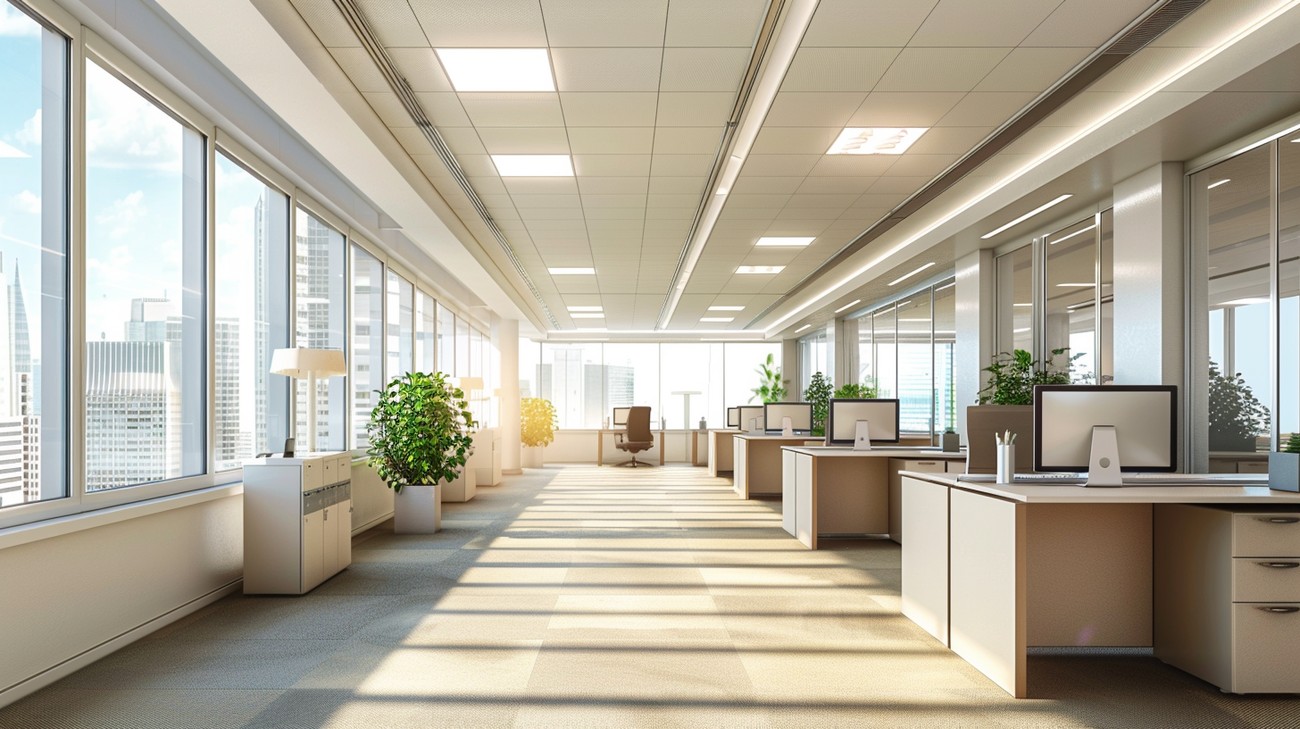
Upgrading your workspace with an office lighting retrofit can dramatically improve both productivity and morale, creating a brighter, more inviting environment for everyone. Proper lighting not only enhances the aesthetic appeal of your office but also promotes better focus and reduces eye strain, making it an important consideration for any business looking to optimize its space.
If you’re in the Sacramento, CA area and are thinking about making the switch, we’d love to help. At Sagan Electric, we’re committed to providing our community with expert guidance and top-notch service. Reach out to us today to schedule a consultation or request a free estimate—we’re here to illuminate your workspace and make it shine.
Tags: fluorescent lighting, energy efficiency, commercial buildings,