

In the world of home electrical systems, one choice that homeowners often face is whether to choose 100 amp or 200 amp service. Upgrading or specifying the correct service can make a significant difference in your home's efficiency, safety, and functionality. Let's dive deep into the realm of electrical service, clearing up common misconceptions and providing a thorough understanding of these two options.
Electrical Service Basics
Before delving into comparisons, let's clarify what amp service means. Amp, short for ampere, is a unit of electric current. An electrical service rating is essentially the total electrical current your home can handle at any point. It plays a vital role in determining the capacity of your home's wiring and the total number of electrical devices you can operate simultaneously.
Historical Context of Electrical Services
Not too long ago, 60 amp service was the norm in many homes. However, as technology advanced and households began to use more electrical devices, the demand for higher capacity grew. The industry standard gradually shifted to 100 amp, and now, many modern homes are built with 200 amp service. Understanding this evolution helps to see why choosing the right service is crucial.
Why Amp Service Matters
Your choice between 100 amp and 200 amp has substantial implications on your home's energy capacity, safety, and future-proofing capabilities.
- Energy Demand: With the rise in electronic gadgets, smart devices, and energy-hungry appliances, the demand for electrical power in homes is higher than ever.
- Safety Concerns: Insufficient amp service can overload your circuits, increasing the risk of electrical fires or power outages.
- Future Expansion: If you plan on expanding your home or adding more electrical devices, a higher capacity service will ensure you don't run into limitations.
100 Amp Service Overview
The 100 amp service is often found in smaller or older homes. It's suitable for households that have basic electrical demands.
Benefits of 100 Amp
- Cost-Effective: Installing or maintaining 100 amp service is usually cheaper than 200 amp.
- Adequate for Moderate Needs: If your home has uncomplicated electrical requirements, this service is often sufficient.
Limitations of 100 Amp
- Restricted Capacity: This service might struggle with modern appliances and larger systems.
- Potential for Overload: Consistent overuse can lead to circuit breaker trips or safety hazards.
200 Amp Service Overview
200 amp service is the prevalent choice in modern homes, designed for increased capacity and functionality.
Benefits of 200 Amp
- Higher Load Capacity: Allows for use of multiple high-demand appliances simultaneously.
- Ideal for Expansion: Supports additional circuits and loads, accommodating future upgrades effortlessly.
- Peace of Mind: Reduces the chances of overload, offering enhanced safety.
Limitations of 200 Amp
- Higher Cost: Initial installation and potential upgrade costs are higher.
- May Be Unnecessary: For smaller homes, the additional capacity might be overkill.
Choosing the Right Service for Your Home
When deciding between 100 amp and 200 amp service, you must consider a few critical factors:
- Home Size and Layout: Larger homes or those with multiple floors may benefit from 200 amp service, providing better distribution and capacity.
- Appliance Load: Homes with energy-intensive appliances like central air conditioning, electric heating systems, or hot tubs should lean towards 200 amps.
- Planning for the Future: If you anticipate purchasing more tech gadgets, electric vehicles, or renovating, opting for 200 amp is a wise investment.
Upgrade Considerations
Upgrading from a 100 amp to 200 amp service can be a significant yet beneficial project. Here’s a checklist for those considering an upgrade:
- Consult a Licensed Electrician: Ensure a professional evaluates your current setup and advises on the upgrade.
- Understand Local Codes: Some areas may have specific requirements or regulations concerning service upgrades.
- Electrical Panel Assessment: Your electrician will need to assess the existing panel's capacity to accommodate the new service.
Cost Analysis
It’s crucial to weigh the cost implications of each service option. While a 100 amp service may have a lower upfront cost, the potential need for frequent upgrades or risk of overloading can make 200 amp service more economical in the long run.
Key Considerations in Cost:
- Installation Fees: Vary widely depending on the region, house design, and local labor costs.
- Future Proofing: Investing in a 200 amp service can avert future upgrades, saving time and money.
Energy Efficiency and Sustainability
With increasing awareness about sustainability, choosing the right amp service contributes to an energy-efficient home. A correctly sized service prevents unnecessary energy wastage and supports green initiatives by optimally using power resources.
Understanding 100 Amp vs 200 Amp Service
How does 100 amp service differ from 200 amp service in terms of electrical load capacity?
The primary difference between 100 amp and 200 amp service lies in the amount of electrical current they can handle. A 100 amp service is typically suitable for smaller homes or apartments with more modest electrical demands. This might include basic appliances like a washing machine, a few lights, some computers, televisions, and perhaps a small air conditioner. On the other hand, 200 amp service can support heavier electrical demands, making it suitable for larger homes or those with multiple high-demand appliances such as electric stoves, HVAC systems, and electric vehicle chargers. Essentially, the 200 amp service provides more flexibility and power to support modern lifestyle conveniences.
What are the installation cost differences between 100 amp and 200 amp service?
When considering the switch from a 100 amp to a 200 amp service, cost is a crucial factor. Installing a 200 amp service typically entails a higher upfront cost compared to a 100 amp service. This price difference arises due to the need for larger cabling, a more substantial panel, and potentially, changes to the meter base and other electrical infrastructure. Additionally, local utility company fees, permit costs, and labor charges can influence the final price. Although the 200 amp service is more expensive initially, it may add value to a home and meet future energy needs more effectively.
Are there any safety benefits of using 200 amp service over 100 amp service?
Yes, upgrading to a 200 amp service can enhance safety in a residence. When a household's power demand approaches or exceeds the limits of a 100 amp service, the electrical system can become strained, potentially leading to overheating wires or even electrical fires. A 200 amp service reduces this risk by accommodating more current, thereby lowering the likelihood of overloaded circuits. This allows more stability for appliances and other electrical equipment, promoting not only safety but also reliability in how your home uses electricity.
Is a permit required to upgrade from 100 amp to 200 amp service?
Yes, upgrading from 100 amp to 200 amp service typically requires a permit. This ensures that all work is performed according to local building codes and electrical standards, which help guarantee safety and compliance. Normally, the contractor you hire would handle the permit application process and coordinate inspections with local authorities. It's important to choose a licensed electrician to undertake this upgrade to ensure the safety and reliability of the installation. Skipping the permit process can lead to fines and other complications, and may also impact your insurance coverage.
How does home size influence the decision between 100 amp and 200 amp service?
Home size is a vital factor in choosing between 100 amp and 200 amp service. Smaller homes or apartments, generally less than 1,500 square feet, often operate efficiently on a 100 amp service. These homes usually have fewer large appliances and lower overall electricity needs. In contrast, larger homes, particularly those above 1,500 square feet, usually benefit from a 200 amp service. Bigger homes tend to support more occupants, increased electrical devices, and perhaps features like central air conditioning or electric heating systems, all of which require more power. Choosing a 200 amp service for such homes ensures ample capacity for current and future electrical demands.
Will upgrading to a 200 amp service impact my electricity bill?
The upgrade of a service panel from 100 amp to 200 amp doesn't directly increase your electricity bill since it doesn't cause an increase in power usage. Instead, it provides more capacity, which can accommodate additional electrical appliances and systems that might, in turn, increase your electricity consumption. Your bill will rise or fall based on how much electricity additional devices consume, not merely due to having a 200 amp service. It's about having the ability to use more power, but not necessarily an obligation to do so.
Can I install a 200 amp service if my home is currently using 100 amp service?
Yes, homes with existing 100 amp service can typically be upgraded to a 200 amp service. The process involves assessing your current electrical system, ensuring your infrastructure can support the upgrade, and acquiring necessary permits. A licensed electrician will need to install a larger service panel, upgrade the service entrance cables, and possibly make changes at the meter location or grounding system. While the alteration can be complex, professionals handle such transitions regularly to ensure safety and compliance with electrical standards.
What types of appliances or household features might necessitate a switch to 200 amp service?
The demand for electrical power in modern homes continues to grow with technology and convenience features. Households with multiple large appliances such as electric ovens, HVAC systems, water heaters, or setups that include saunas, hot tubs, or electric vehicle chargers will often require 200 amp service. Newer homes with several computers, smart home devices, and powerful entertainment systems also benefit from a larger capacity. If you plan significant home renovations or additions involving electrical work, upgrading to a 200 amp service can provide the necessary power to support these enhancements effectively.
How does the decision between 100 amp vs 200 amp service affect future home resale value?
Choosing a 200 amp service over a 100 amp service can positively affect your home's resale value. Many prospective buyers today look for homes that can accommodate modern electronics and appliances, and a 200 amp service is seen as a future-proof investment. It provides the assurance of meeting current and prospective energy needs safely and efficiently. As a selling point, a 200 amp service indicates that the home is well-equipped to handle technological advancements and increasing power requirements without the need for immediate electrical upgrades by new owners.
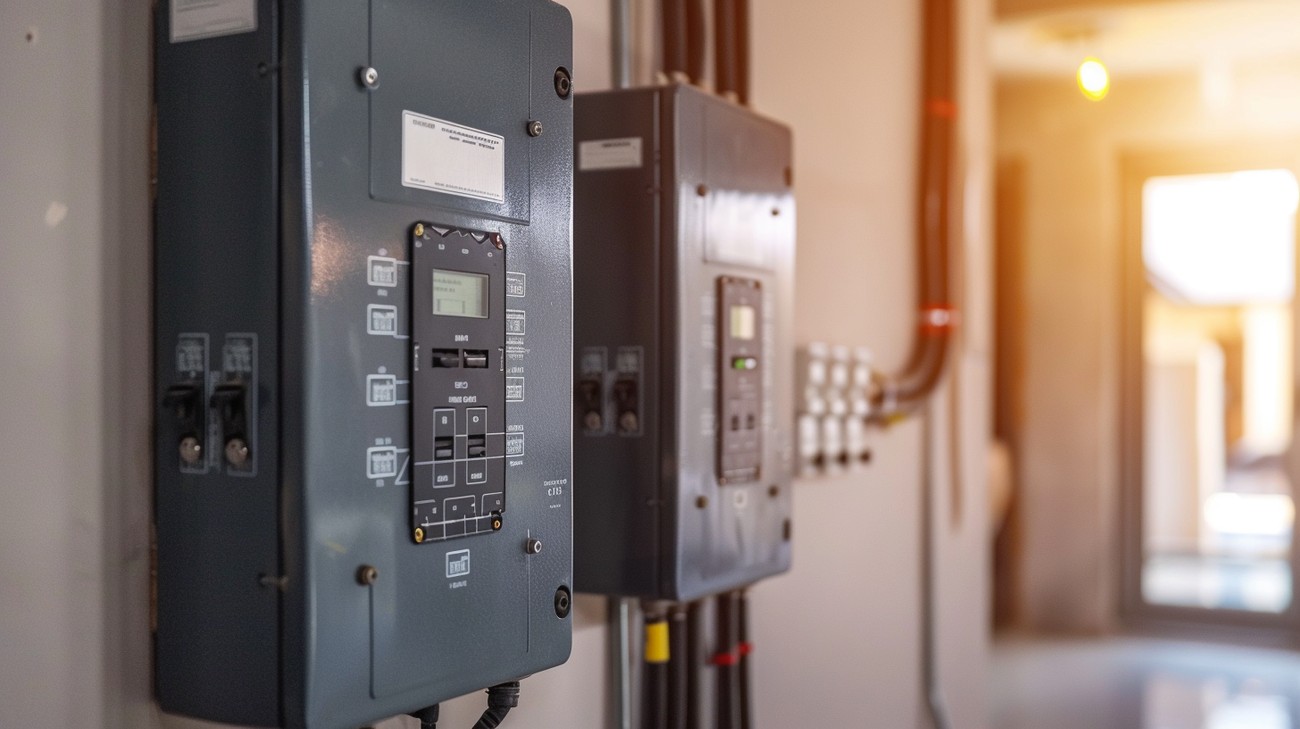
Comparison
Key Features Comparison
| Feature | 100 Amp Service | 200 Amp Service |
|---|---|---|
| Capacity | Supports basic needs | Supports higher demands |
| Typical Applications | Small to medium homes | Large homes or businesses |
| Flexibility | Limited upgrade options | Greater flexibility |
| Future-proofing | Limited | High future potential |
100 Amp Service: This traditionally supports basic household needs, especially in homes built before the 1980s. Often sufficient for properties with fewer appliances and limited heating and cooling requirements.
200 Amp Service: Ideal for modern households and commercial properties where more electrical devices are in use. Offers a robust framework for today’s power-hungry appliances and the option for future electrical upgrades, like EV chargers or solar panel installations.
Performance Differences
In terms of performance, the differentiator is primarily the capacity to handle electrical loads.
100 Amp Service: Typically handles around 19,200 watts, depending on voltage and phase. This suits smaller homes with moderate electrical demands but can struggle during peak usage times, especially with concurrent use of HVAC systems, washers, dryers, and kitchen appliances.
200 Amp Service: Can accommodate around 38,400 watts, providing more breathing room for simultaneous appliance usage. It shines in larger homes where multiple high-power devices run consistently and can manage demands from multiple occupants without tripping circuit breakers.
Price Comparison
| Factor | 100 Amp Service | 200 Amp Service |
|---|---|---|
| Installation Cost | Lower initial investment | Higher upfront cost |
| Average Range | $1,500 to $3,000 | $2,500 to $5,500 |
100 Amp Service: The economical choice initially. Ideal for homes with minimal upgrades or where cost-control is crucial. However, future upgrades can incur additional costs.
200 Amp Service: Although it has a higher initial setup fee, this option may lead to cost savings in the long run by reducing the likelihood of needing an upgrade sooner as family needs grow.
Best Use Cases for Each
100 Amp Service: Perfect for classic homes with lower power usage, such as 2-bedroom houses or small condos. Also suitable for secondary residences like cabins or vacation homes where there's limited occupancy.
200 Amp Service: Best suited for new constructions and large residential homes, especially those with multiple HVAC units and extensive use of technology. It's also a fit for growing families or where home-based businesses operate, providing an ample energy supply.
Bottom Line Recommendation
Choosing between a 100 amp vs. 200 amp service involves weighing immediate needs against future-proofing. While a 100 amp service may suffice now, especially if you're operating minimal appliances or live in a compact space, considering future needs could make a 200 amp service highly beneficial. This choice minimizes inconveniences related to electrical upgrades down the line and supports evolving energy technologies.
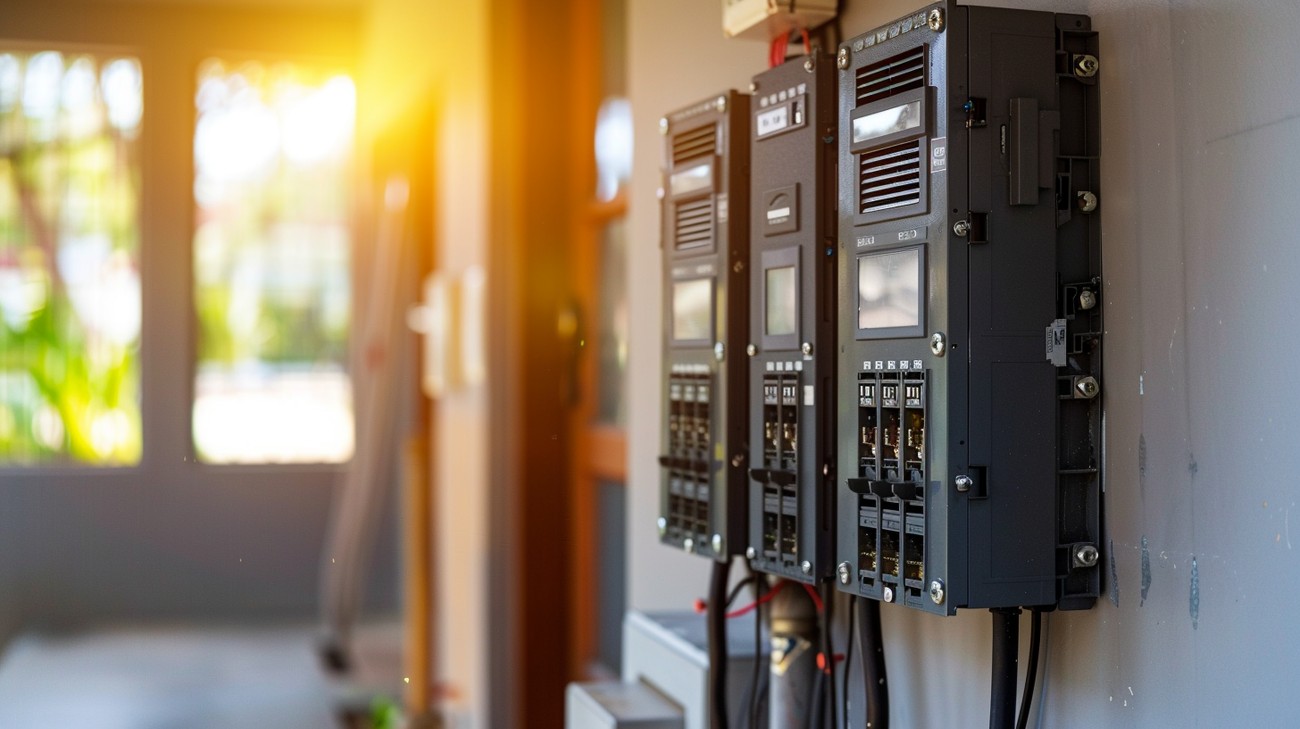
Diving into the Differences: 100 Amp vs 200 Amp Service
Pros of 100 Amp Service
Cost-Effective for Smaller Homes
If you're working with a smaller home or a residence with minimal electrical needs, a 100 amp service can be quite economical. It requires less initial investment compared to a 200 amp service, often resulting in lower installation costs and equipment expenses.
Sufficient for Basic Needs
For many smaller homes or apartments, a 100 amp service works just fine. If your lifestyle doesn’t revolve around high-energy-consuming appliances, or if you don’t have a plethora of electronics running simultaneously, it can easily handle your daily electrical load.
Easier Integration in Older Homes
If you're dealing with an older home, integrating a 100 amp service is typically less invasive. It often requires fewer modifications to the existing setup, which can be a significant advantage if you’re looking to preserve the original infrastructure as much as possible.
Cons of 100 Amp Service
Limited Capacity for Modern Lifestyles
Today's homes are increasingly filled with gadgets, appliances, and systems that demand significant power. A 100 amp service might struggle to keep up if you have multiple high-energy devices operating simultaneously, leading to potential overload issues.
Future Expansion Limitations
Choosing a 100 amp service can limit your ability to expand in the future. If you plan to add more electrical demands, such as a central air conditioning system, electric vehicle charging station, or additional living space, you may quickly outgrow a 100 amp system.
Possible Resale Impact
In the real estate market, homes equipped with 200 amp service can sometimes have an edge. Potential buyers might view a 100 amp system as outdated or insufficient for modern needs, which could impact your home’s resale value or appeal.
Pros of 200 Amp Service
Readiness for Modern and Future Needs
A 200 amp service is well-equipped to handle the demands of the modern home. If you're planning to use central air conditioning, high-capacity appliances, or have plans for additions like a backyard workshop with power tools, this capacity gives you peace of mind.
Enhanced Electrical Efficiency
With a 200 amp service, you're less likely to experience frequent circuit breaker trips or the need for power-saving tactics just to balance out your home’s electrical load. This can lead to a more efficient and hassle-free experience when using your devices and appliances.
Better Resale Potential
Homes with a 200 amp service often appeal more to prospective buyers who are looking for a ready-to-use space without worrying about major electrical upgrades. This can boost your property's marketability and potentially its value.
Cons of 200 Amp Service
Higher Initial Cost
Installing a 200 amp service does carry a higher up-front cost compared to a 100 amp service. The equipment, labor, and potentially more extensive modifications to your current electrical setup can make for a pricier project.
More Complex Installation
The jump to a 200 amp service can be a bigger project than many anticipate. You might need to upgrade not only the panel but also related components such as the meter, wiring, or other infrastructure, which can complicate the installation process.
Unnecessary for Small or Energy-Efficient Homes
For those with smaller homes or significant energy-efficient upgrades, a 200 amp service might be an overinvestment. If your energy use is well-managed and conservative, you may not fully utilize the additional capacity, rendering the higher expense unnecessary.
Final Thoughts
When choosing between 100 amp vs 200 amp service, it’s essential to consider your current and future energy needs. Homeowners in Sacramento, CA, often find that a 200 amp service provides the flexibility for larger appliances and modern technologies, which can be particularly beneficial as energy demands continue to grow.
If you’re unsure about which service level is right for your home, we invite you to reach out to us at Sagan Electric. Our team is here to help you assess your needs and ensure your electrical system is optimized for your lifestyle. Whether you need a consultation or a free estimate, we’re ready to assist you in making the best decision for your home’s energy requirements.
Tags: electrical service, residential electric, amperage upgrade,